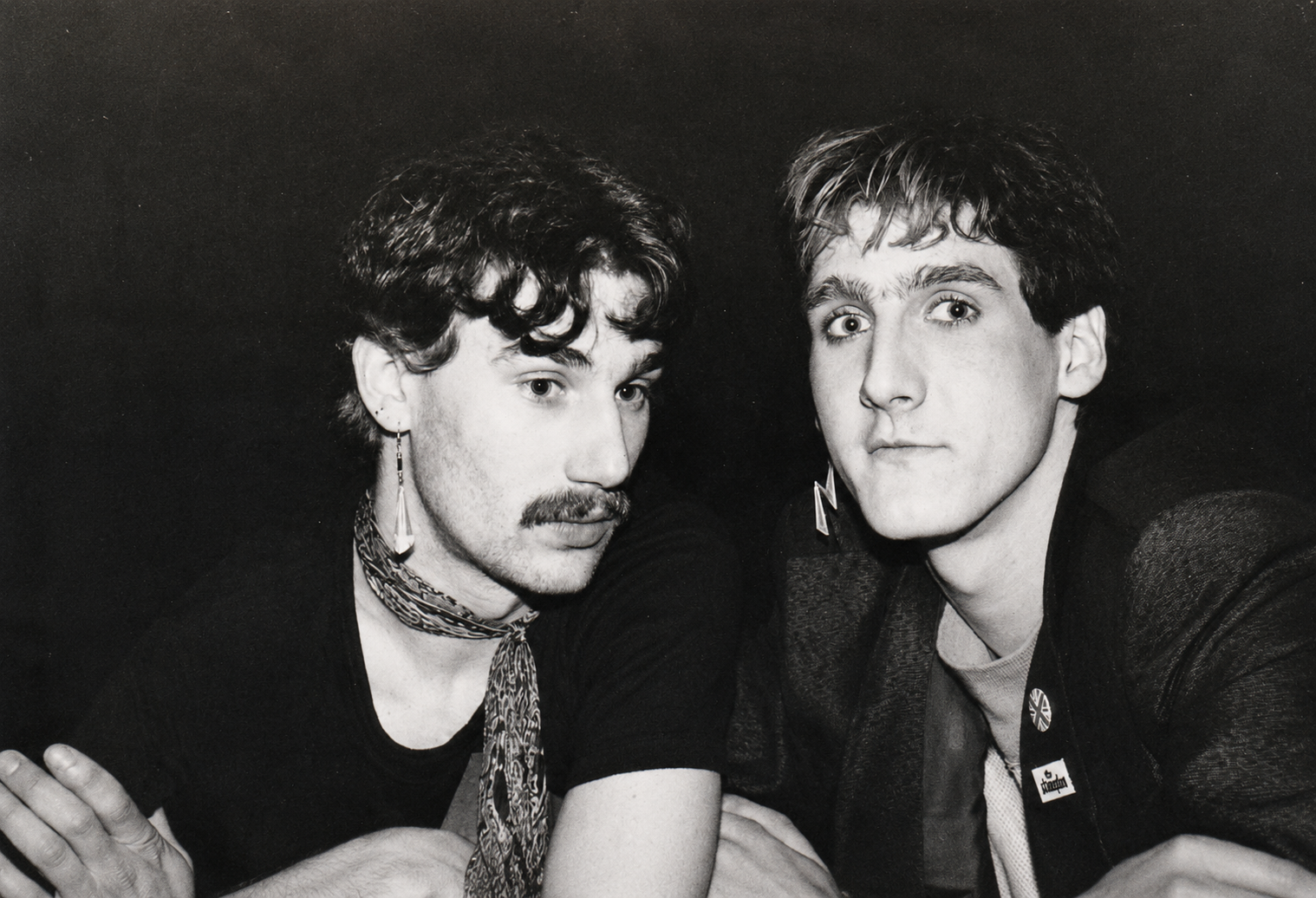
Music is more than what we hear in the finished recording. Behind every song there is an idea, an experiment, a melody, a decision and often many hours of work before everything finally comes together.
For Z CAR M, music has always been a journey of creative exploration. From the first musical experiences in the 1970s to today's independent studio productions, the process of creating music has remained at the heart of everything.
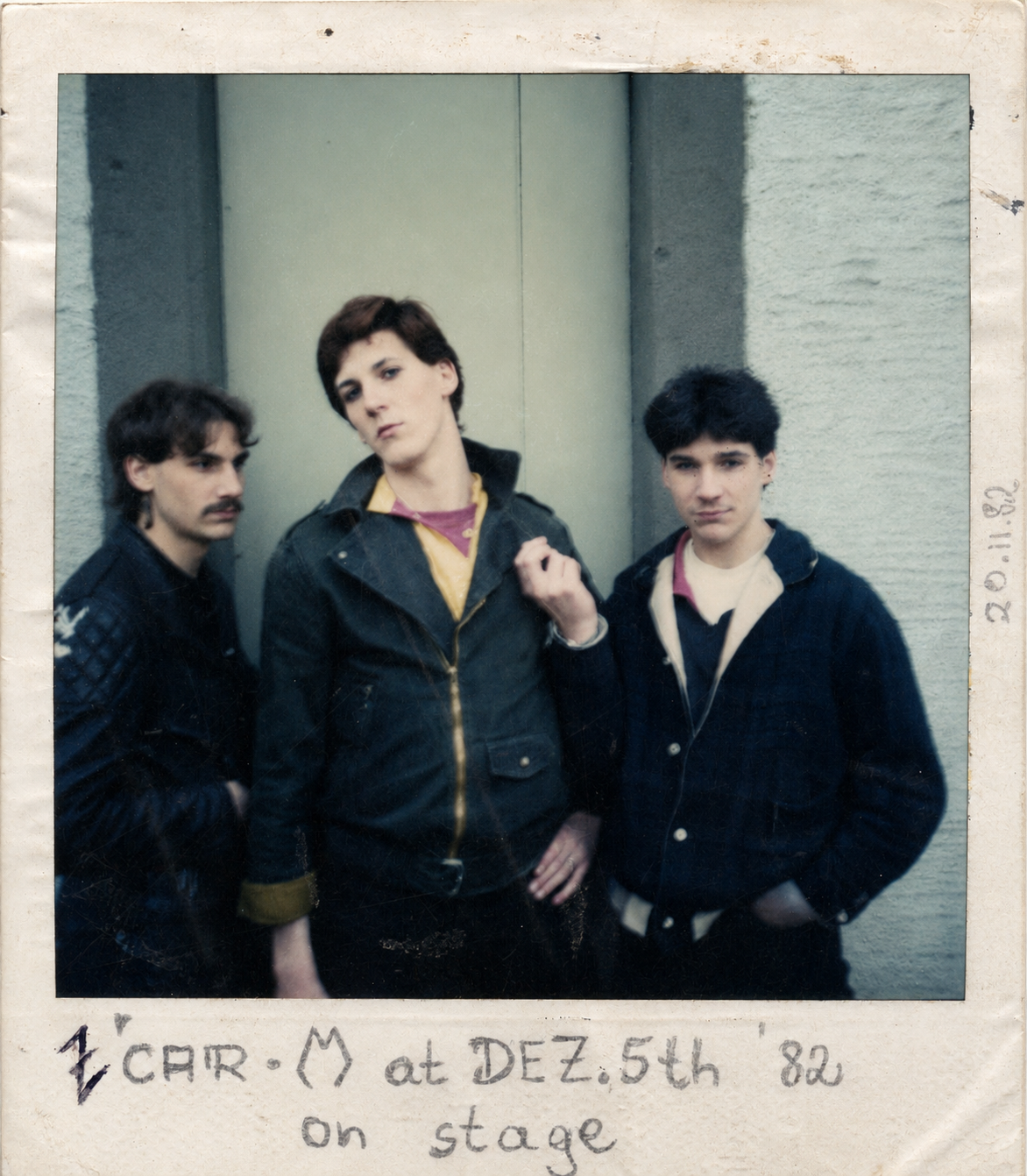
My approach to music has never been limited to playing an instrument or writing a melody. I enjoy being involved in the entire creative process — from the first musical idea to the finished production.
Composition, arrangements, keyboards, instrumental performances and production are all connected. Sometimes a song begins with a simple melody. On other occasions, it starts with a rhythm, a particular sound or an atmosphere that gradually develops into something bigger.
I like experimenting, exploring different musical directions and allowing each composition to find its own identity. I have never wanted to follow a fixed formula. For me, the freedom to explore is one of the most important parts of making music.
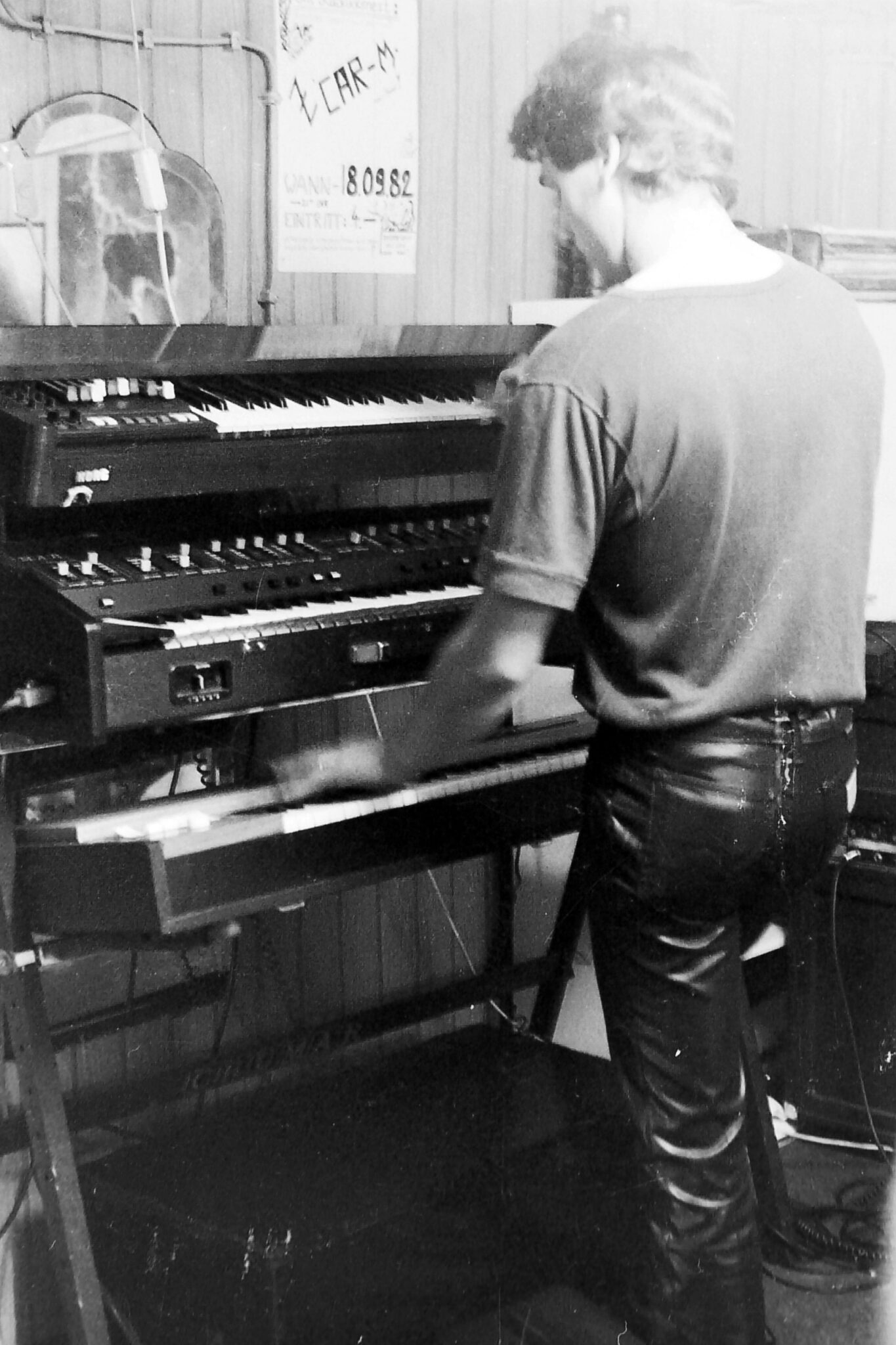
The recording studio has always been an essential part of my musical world.
It is a place where ideas can develop without the limitations of a live performance or a fixed musical arrangement. Sounds can be created, changed, layered and combined until they become part of a complete composition.
Working with keyboards, electronic sounds, virtual instruments, recording technology and modern production tools opens up countless possibilities.
I enjoy being involved in every stage of this process: arranging the musical elements, shaping the sound, recording individual parts, balancing the instruments and refining the final mix.
The technology has changed considerably over the decades, but the objective has remained the same: to translate an idea into music that communicates something.
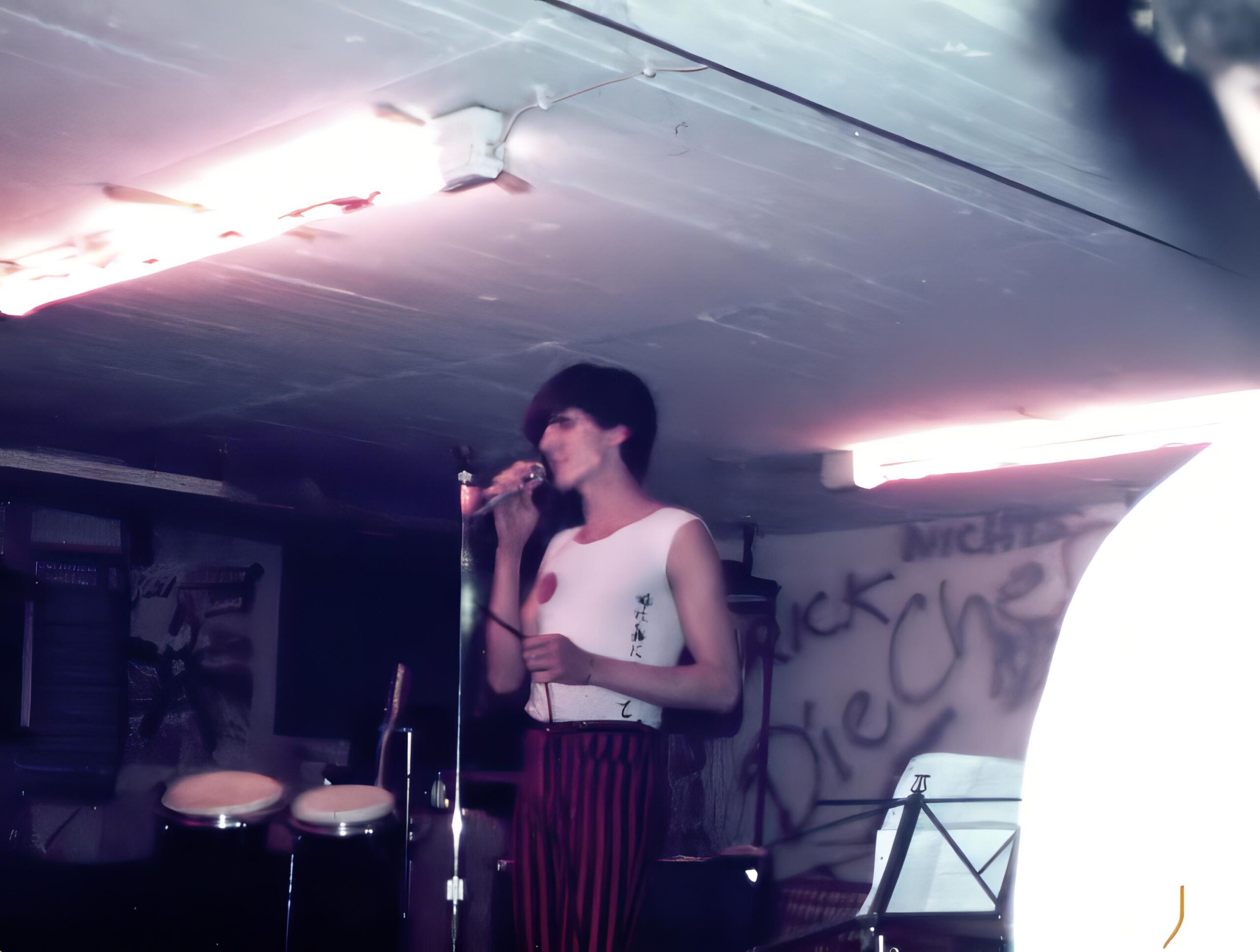
The recording studio has always been an essential part of my musical world.
It is a place where ideas can develop without the limitations of a live performance or a fixed musical arrangement. Sounds can be created, changed, layered and combined until they become part of a complete composition.
Working with keyboards, electronic sounds, virtual instruments, recording technology and modern production tools opens up countless possibilities.
I enjoy being involved in every stage of this process: arranging the musical elements, shaping the sound, recording individual parts, balancing the instruments and refining the final mix.
The technology has changed considerably over the decades, but the objective has remained the same: to translate an idea into music that communicates something.
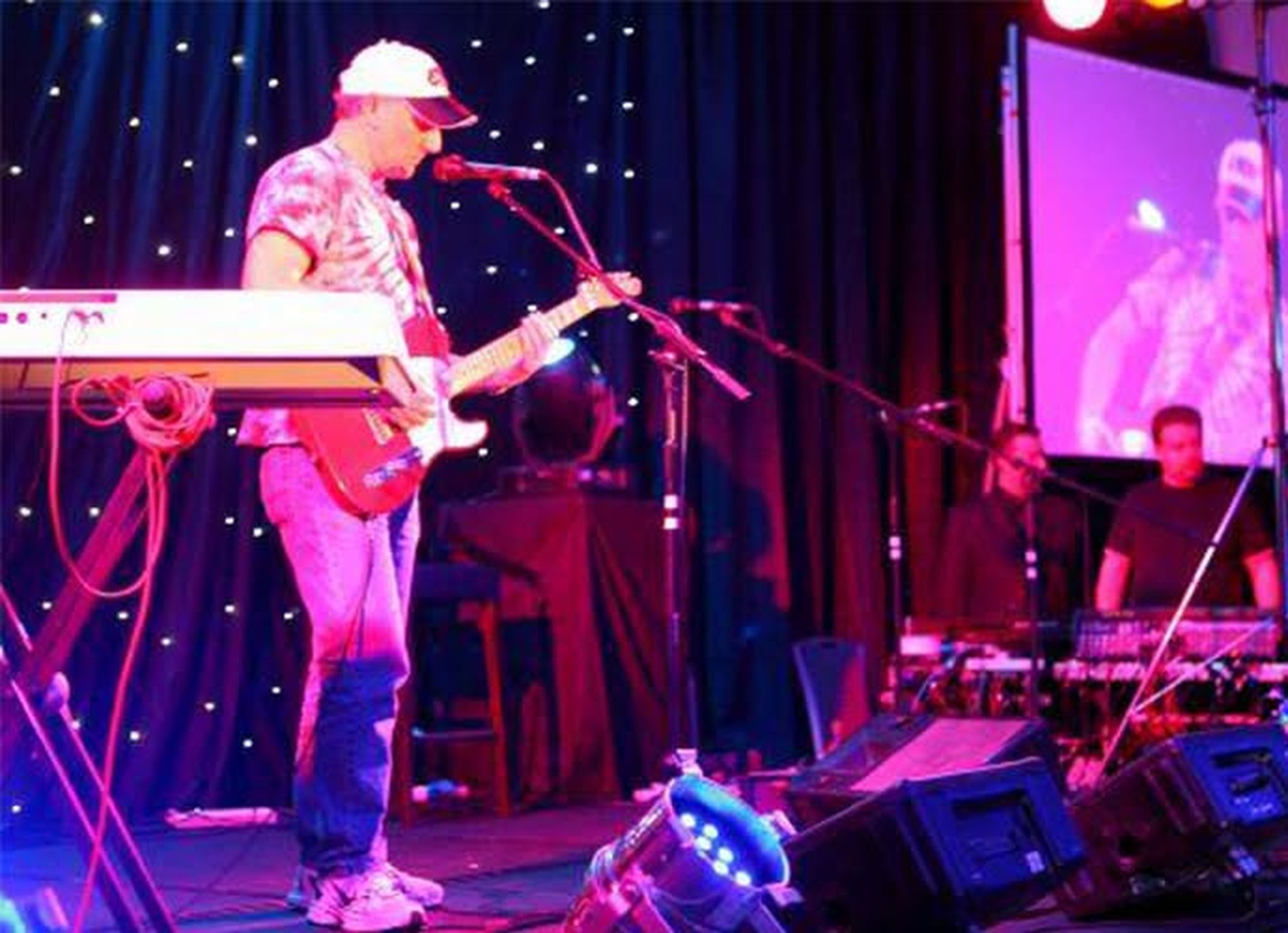
Around 2008, my employer in Ireland organised a music talent competition at the Carlton Hotel in Tyrrelstown/Ireland. It was far more professional than I had expected: a real TV-show atmosphere, with a presenter, a three-member jury, several performers, stage lighting and three television cameras recording the entire event.All the male participants stayed together in one room upstairs, while the female performers had their own room. Whenever someone's turn came, they were called downstairs to perform in front of the audience and the jury, who commented on each performance afterwards.
Then it was my turn. I had chosen my song "Smell of Water" (the worst song I could have selected), performing on keyboards and guitar while singing along to a CD backing track that included the drums.
Unfortunately, my distortion effect stopped working properly because of a faulty power adapter. Right in the middle of the performance, things went wrong. The presenter apologised to the audience, explaining that this was a live show and such things could happen. I had to stop and return to my room, feeling rather embarrassed.
Luckily, someone managed to fix the power supply. Later, I was called back for another attempt. This time the equipment worked, but unfortunately, so did my stage fright! I was so nervous that the performance turned into something I would rather forget.
Then came the jury's comments. With a sense of humour, they compared me to "the second Jimi Hendrix." I wasn't quite sure whether I should take that as a compliment or a warning!But I knew one thing for certain: that evening was enough for me. I decided that I would never again perform alone on stage.
I continued making music, recording and producing songs, but my days of standing alone in front of an audience were over.Looking back today, I can laugh about the whole experience. Sometimes the most memorable moments in music aren't the successful performances, but the ones that go completely wrong.
Over the years, Z CAR M has developed into an independent solo music project, resulting in twelve published albums.
Each album represents a different stage of musical development. Together, they document a continuing journey through compositions, experiments, sounds and creative ideas.
From Light Eater to Dancing In The Fire, the albums reflect the freedom to explore different musical territories while maintaining the independent identity of Z CAR M.
There is no single formula connecting every recording. What connects them is the desire to create something original and to keep moving forward rather than repeating what has already been done.
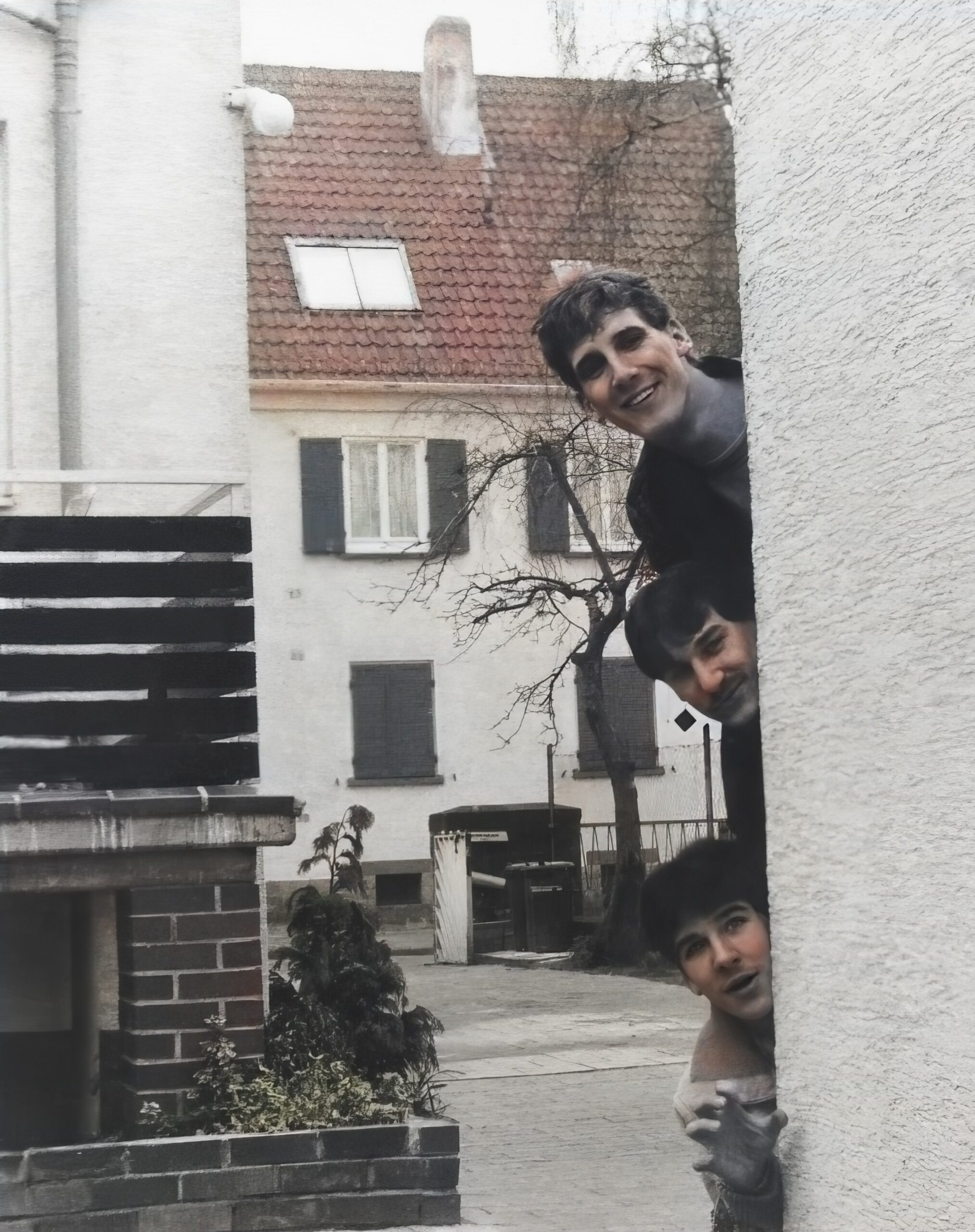
Although Z CAR M continues as my solo project, musical collaboration has always been an important part of the journey.
Working with other musicians introduces new perspectives, different musical personalities and ideas that might never have developed in isolation.
Collaborations with artists such as Paul Vincent Camoro, from Cebu in the Philippines, and Steven Timothy Patrick, from the United States, have added new dimensions to the music.
Every collaboration brings its own creative exchange. Different backgrounds, instruments, voices and musical ideas can come together to create something unique.
The result is not simply a combination of individual contributions, but an opportunity to discover new musical possibilities.
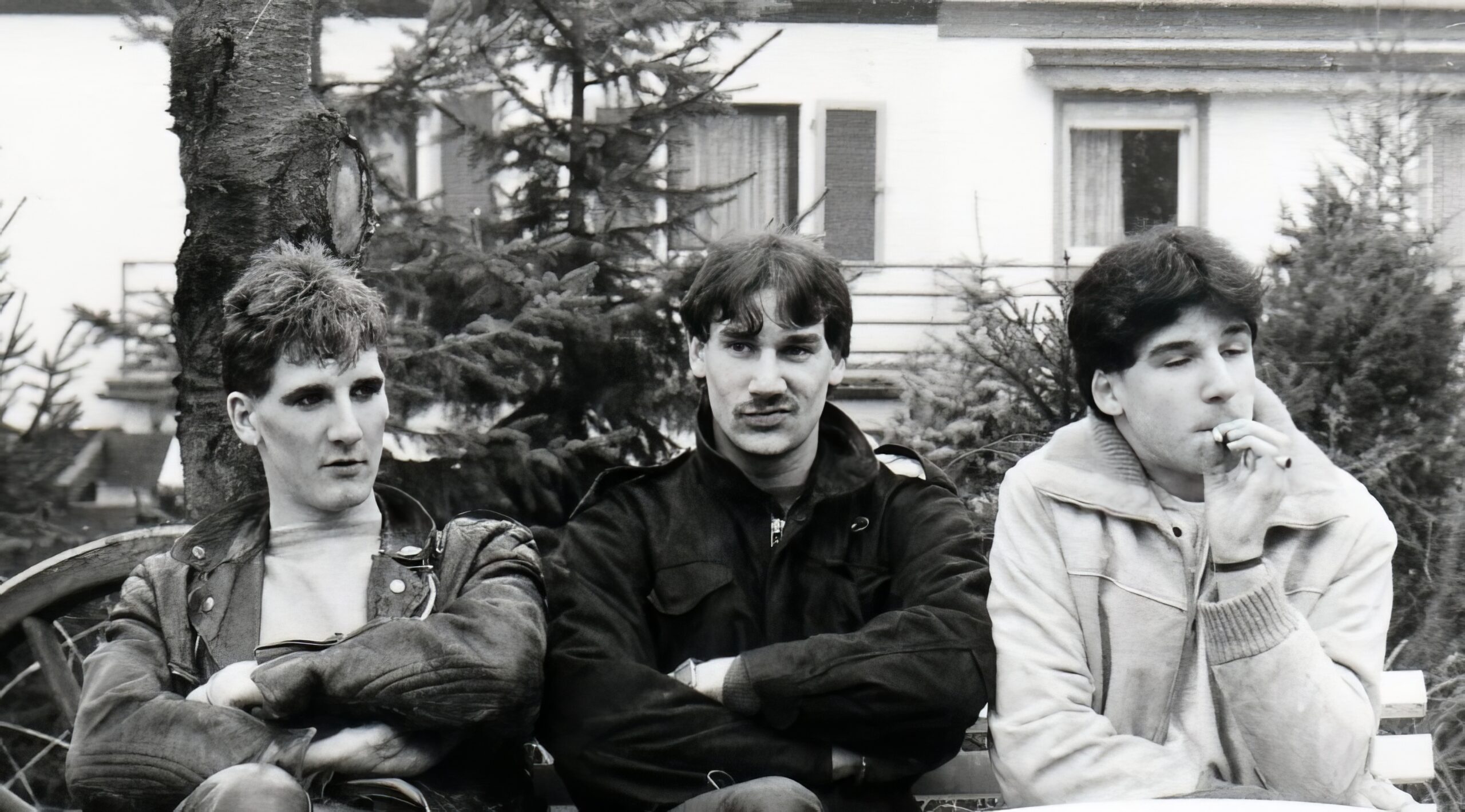
Being an independent musician means having the freedom to make your own decisions.
It also means taking responsibility for the entire process: composing, arranging, recording, producing, developing projects and finding ways to bring the music to an audience.
There are no guarantees and no fixed paths. Every new song presents another opportunity to learn, experiment and improve.
That independence has remained an important part of Z CAR M from the very beginning.
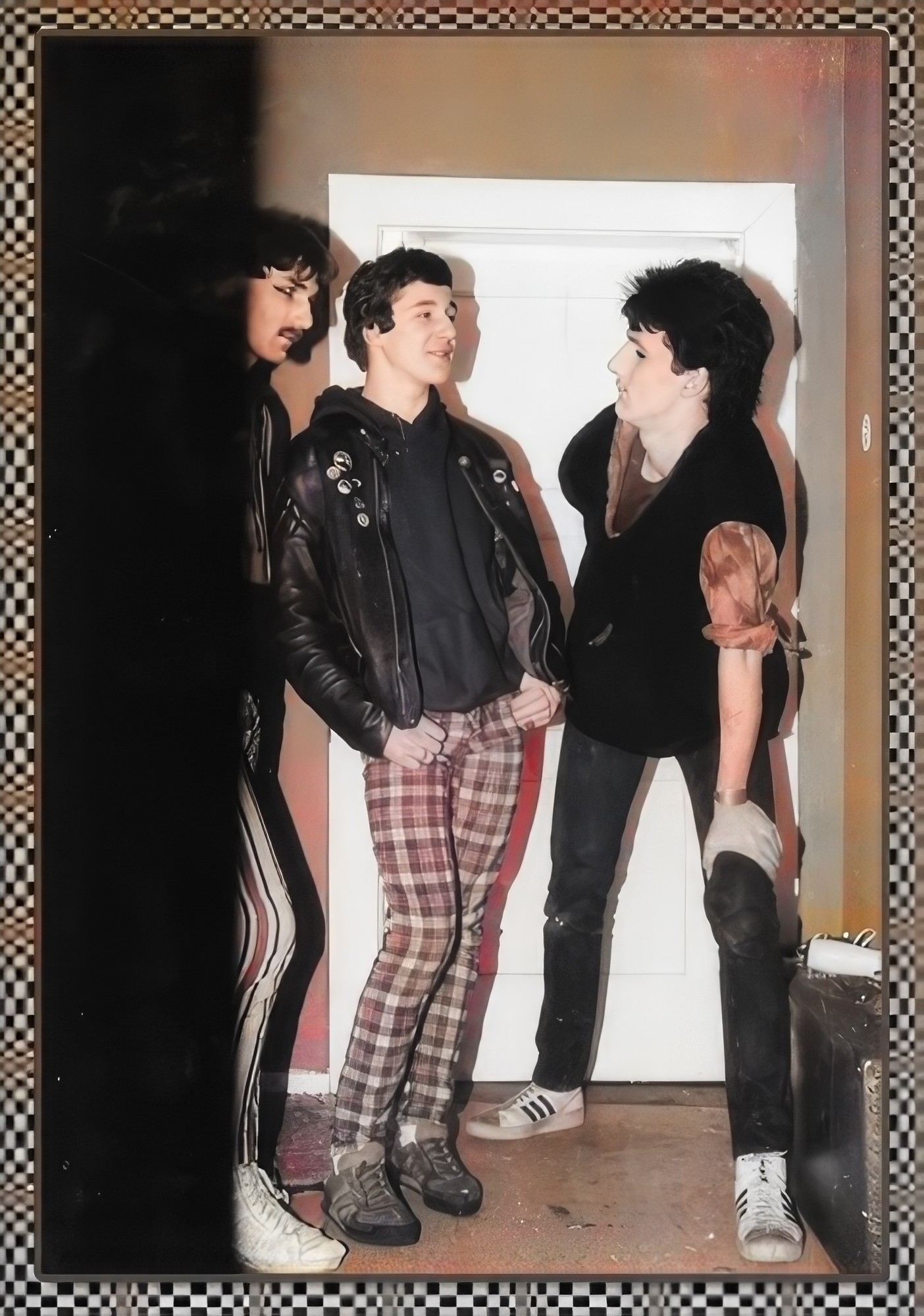
After decades of making music, the motivation to create has not disappeared.
New compositions, recording experiments and collaborations continue to shape the direction of Z CAR M.
The instruments and technology may have changed, the recording methods have evolved and the musical experiences have accumulated, but the central idea remains unchanged:Keep creating.
Keep exploring. Never stop making music.
Z CAR M – Independent Music. One Continuous Creative Journey.